

11 Plus Volume and Capacity Practice Questions
26 October 2026
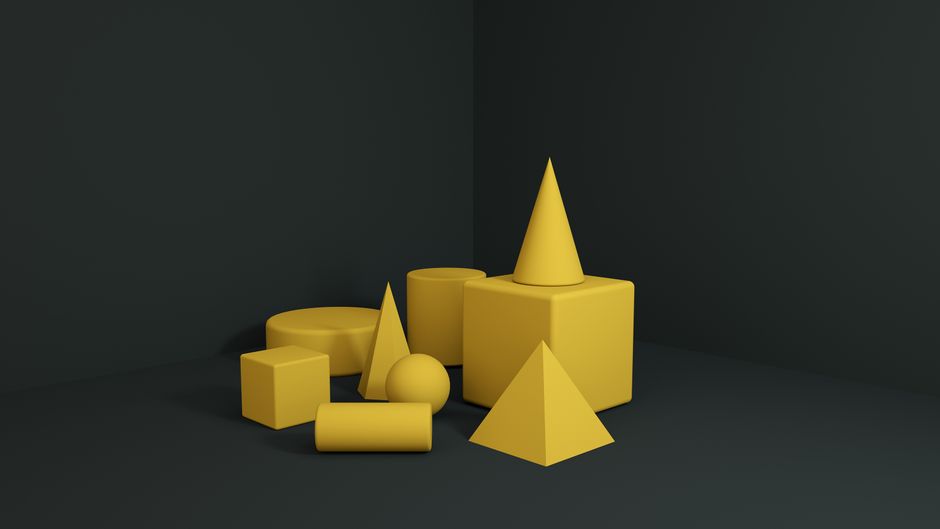
Understanding volume and capacity
Volume is the amount of space a 3D shape takes up, while capacity is how much a container can hold, usually measured in litres or millilitres. Both concepts are important in 11+ maths and often appear in CEM and GL exams.
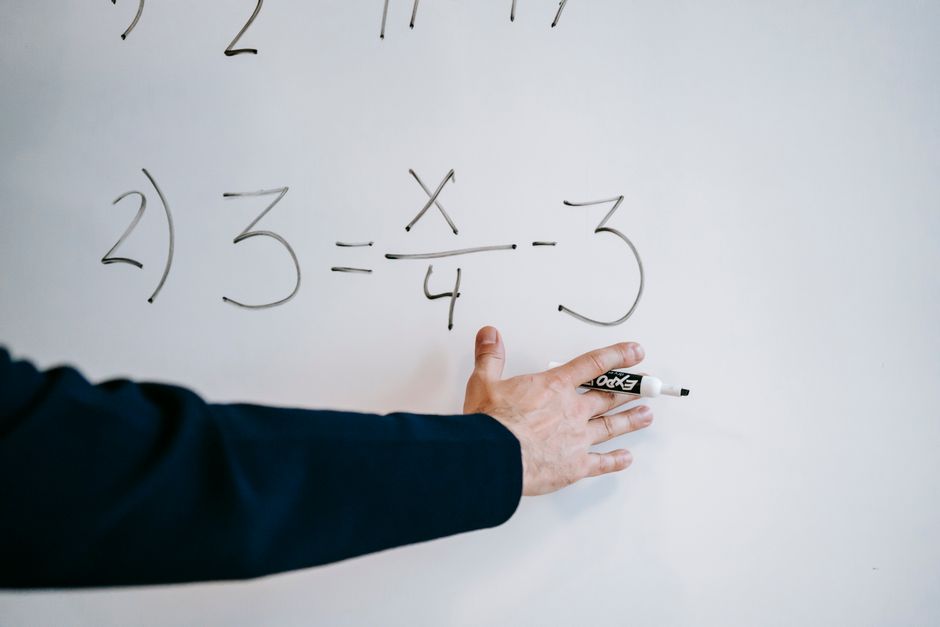
Key insight: Learn the formula
For cuboids and cubes, the volume is found by multiplying length × width × height. Always check that all measurements are in the same unit before calculating.
Metric units for volume and capacity
Volume is measured in cubic centimetres (cm³), cubic metres (m³), or similar units. Capacity is measured in litres (l) or millilitres (ml). Remember, 1 litre = 1,000 millilitres and 1 cm³ = 1 ml. Questions may ask for conversions between these units.

Common 11+ question types
Children may be asked to calculate the volume of a cuboid, reason about what happens if dimensions change, or convert between units. Some questions test careful reading, such as mixing up length and width or missing a change in units.
Worked example
Find the volume of a cuboid that measures 5 cm long, 4 cm wide, and 3 cm high.
Step 1: Write down the formula: volume = length × width × height.
Step 2: Multiply the length and width: 5 cm × 4 cm = 20 cm².
Step 3: Multiply by the height: 20 cm² × 3 cm = 60 cm³.
The correct answer is 60 cm³.

Tips for solving volume and capacity questions
Encourage your child to underline the key numbers and units in the question. Remind them to check if the shape changes, such as doubling every edge, and to recalculate each dimension before finding the new volume.
Checking answers and avoiding mistakes
After calculating, check that the answer is in the correct units and matches the question. If the answer is not one of the options, look for errors such as using the wrong units or missing a calculation step.


Building confidence with practice
Regular practice with a variety of volume and capacity questions helps children spot patterns and avoid common pitfalls. Start with straightforward cuboids, then progress to questions where dimensions change or units must be converted.