
Decimal Place Value Practice for Year 4
19 October 2026

Understanding decimal place value
Decimal numbers are a key part of Year 4 maths. Each digit after the decimal point has its own place and value. The first place to the right of the decimal is tenths, followed by hundredths and then thousandths.

How to explain decimals at home
Try using money to show decimal place value. For example, £1.25 means 1 whole pound and 25 hundredths of a pound, or 25p. You can also use a place value chart to help your child see how each digit changes depending on its position.
Simple practice ideas
Write down numbers like 3.7, 4.05 or 2.308. Ask your child to name the value of each digit. For example, in 4.05, the 0 is in the tenths place and the 5 is in the hundredths place. Swap roles and let your child quiz you too.


Key insight: Place value is about position
The value of a digit depends on where it sits. In 0.6, the 6 is six tenths. In 0.06, the 6 is six hundredths. Encourage your child to read numbers carefully and count places from the decimal point.
Extra support with online practice
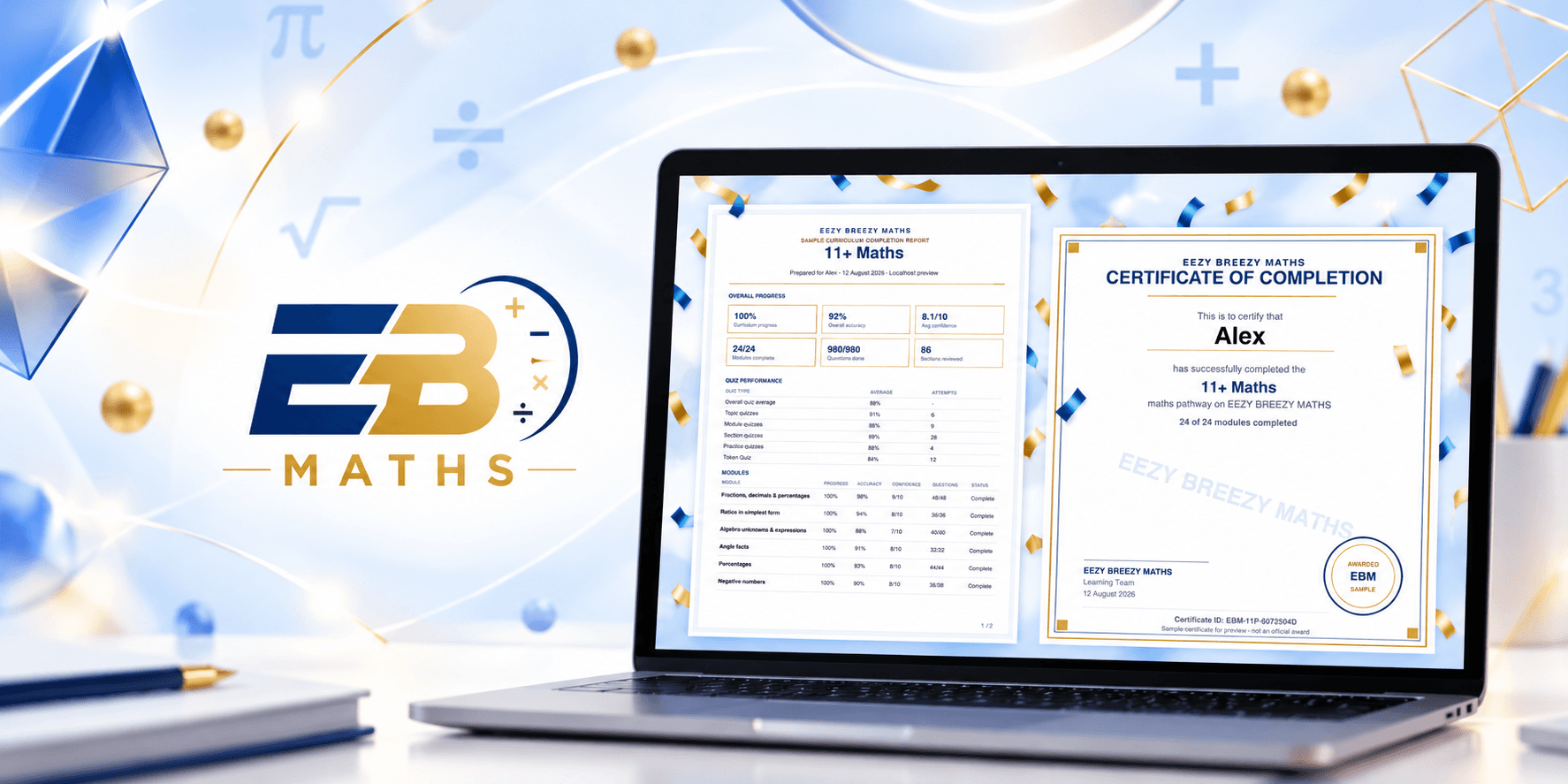
EEZY BREEZY MATHS offers a dedicated Year 4 decimals package, with practice sheets and clear progress tracking. These resources help children build confidence and spot mistakes as they learn.


Building strong maths foundations
Regular practice with decimal place value makes future maths topics easier. Encourage your child to keep practising, ask questions, and use real-life examples to make decimals feel familiar.