

Naming 3D shapes for 11 plus practice
26 October 2026
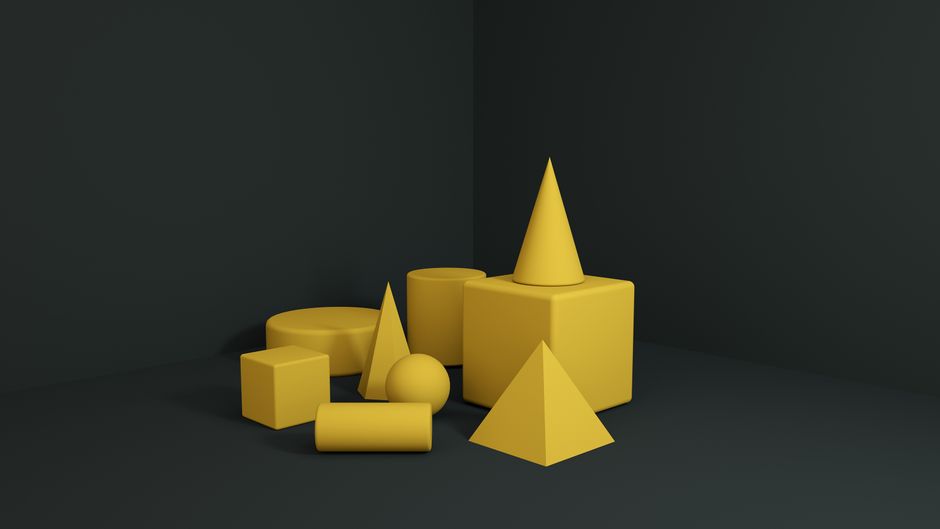
Naming 3D shapes for 11+ practice
Recognising and naming 3D shapes is a key part of 11+ maths. Children need to identify shapes like cubes, cuboids, spheres, cylinders, cones and pyramids by their properties.
How to support your child
Start by showing your child real objects or drawings of 3D shapes. Ask them to name each shape and describe its faces, edges and vertices. Use everyday items such as boxes, cans or balls to make this more practical.
Key insight: Learning the properties of each 3D shape makes it much easier to remember their names and spot them in questions. Practice describing the number of faces, edges and vertices for each shape.


Worked example
A shape has 6 faces, all of which are squares. It has 12 edges and 8 vertices.
Step 1: Count the faces. There are 6, and all are squares.
Step 2: Count the edges. There are 12.
Step 3: Count the vertices. There are 8.
Step 4: Match these properties to the correct shape name.
The correct answer is cube.
Tips for practice
Encourage your child to practise with different shapes and quiz them on the properties. Mix in trickier shapes like triangular prisms or square-based pyramids to build confidence.


Building confidence
Regular practice with naming and identifying 3D shapes will help your child approach 11+ questions calmly and accurately.
