

Squares and rectangles: Area and perimeter on a grid
22 October 2026
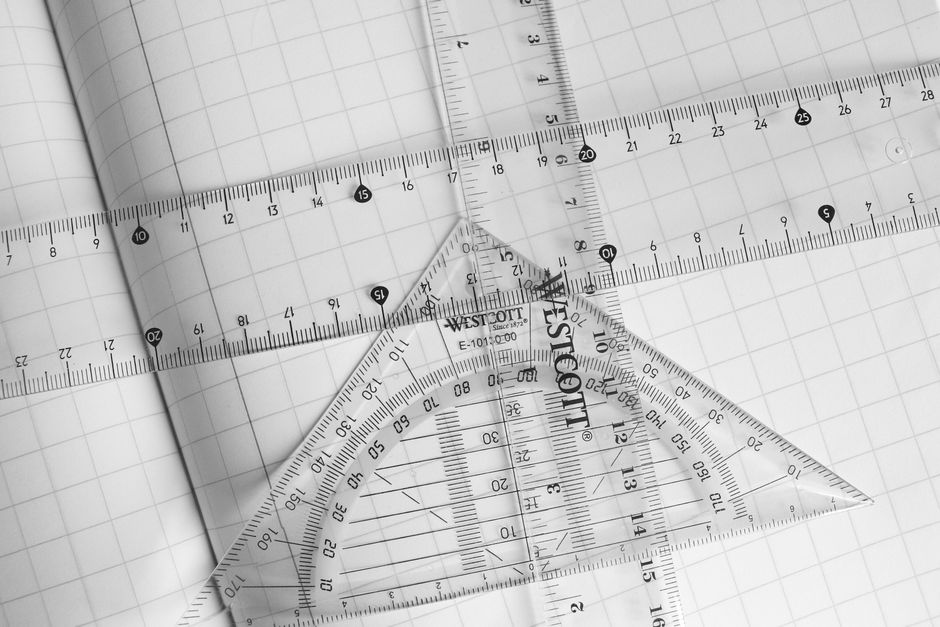
Squares and rectangles often appear on maths grids. To help your child understand area and perimeter, start by using simple shapes they can see and count. This makes it easier for them to spot the difference between how much space a shape covers and how far it goes around the edge.

Example question
A rectangle is drawn on a grid. It is 5 units long and 3 units wide. What is its area and perimeter?
Step 1: Find the area
Area means how many squares are inside the rectangle.
Count the rows: There are 3 rows.
Count the columns: There are 5 columns.
Multiply rows by columns: 3 × 5 = 15
So, the area is 15 square units.
Step 2: Find the perimeter
Perimeter means the distance all the way around the edge.
Add the lengths of all sides: 5 + 3 + 5 + 3
Add them up: 5 + 3 = 8, 8 + 5 = 13, 13 + 3 = 16
So, the perimeter is 16 units.
Key insight: On a grid, you can count the squares for area and count the edges for perimeter.
The correct answers are: area = 15 square units, perimeter = 16 units.
After this example, your child will recognise how to count squares for area and add up the sides for perimeter. They can now try more questions like this to build confidence with grid shapes. Practising these steps will help them solve similar problems in 11+ maths.